
Key Takeaways
- Wildlife intrusions pose real fire hazards, structural damage, and serious health risks to families and pets.
- Trapping and relocating animals on your own rarely solves the problem, and in many cases it is illegal without a permit.
- Each jurisdiction has its own licensing requirements for wildlife removal, meaning unlicensed DIY attempts can carry legal consequences.
- Professional removal goes far beyond catching the animal; exclusion work that seals entry points is what keeps wildlife out for good.
- Understanding what is hiding in your attic or walls – and what diseases it may carry – is a critical first step covered in detail below.
A scratching sound at 2 a.m. A stain spreading across the ceiling. An odd smell coming from inside the wall. For homeowners, these are signs that wildlife has moved in – and the longer it stays, the more expensive and dangerous the situation gets.
Wildlife Is Moving In – and the Damage Is Real
Suburban and urban development across Virginia has steadily pushed wildlife habitat boundaries into residential neighborhoods. As green corridors shrink, animals like raccoons, squirrels, and opossums adapt. They find gaps in rooflines, unsecured vents, and deteriorating soffits. Once inside, they nest, breed, and cause damage that compounds quickly.
The financial toll is significant. Wildlife intrusions routinely result in chewed electrical wiring, contaminated insulation, and structural harm that leads to costly repairs. What starts as a small gap exploited by a single squirrel can turn into a recurring problem affecting multiple areas of a home. Addressing the intrusion early – and correctly – is far cheaper than reacting after the damage is done.
Licensed wildlife and pest control companies focus on identifying and resolving these intrusions before they escalate. Wildlife removal in this region demands knowledge of local species behavior, seasonal patterns, and the specific construction styles common to older DMV-area homes.
What’s Actually in Your Attic or Walls
Two animals account for the majority of residential wildlife complaints across the mid-Atlantic region. Knowing which one has taken up residence changes everything about how the problem is handled.
Squirrels: Chewed Wires, Real Fire Risk
Eastern gray squirrels (Sciurus carolinensis) are the most frequently reported attic intruder in Virginia. They exploit gaps as small as 1.5 inches – a width easily found around aging fascia boards, roof vents, or utility cable entry points. Once inside, squirrels gnaw constantly because their teeth never stop growing, making electrical wiring a prime target.
Squirrel activity peaks during two breeding seasons: January through February and again in June through July. During these windows, females actively seek enclosed, protected nesting sites, and attics fit perfectly. An untreated squirrel intrusion during breeding season can quickly go from one animal to an entire litter.
Raccoons: Rabies Vectors Next Door
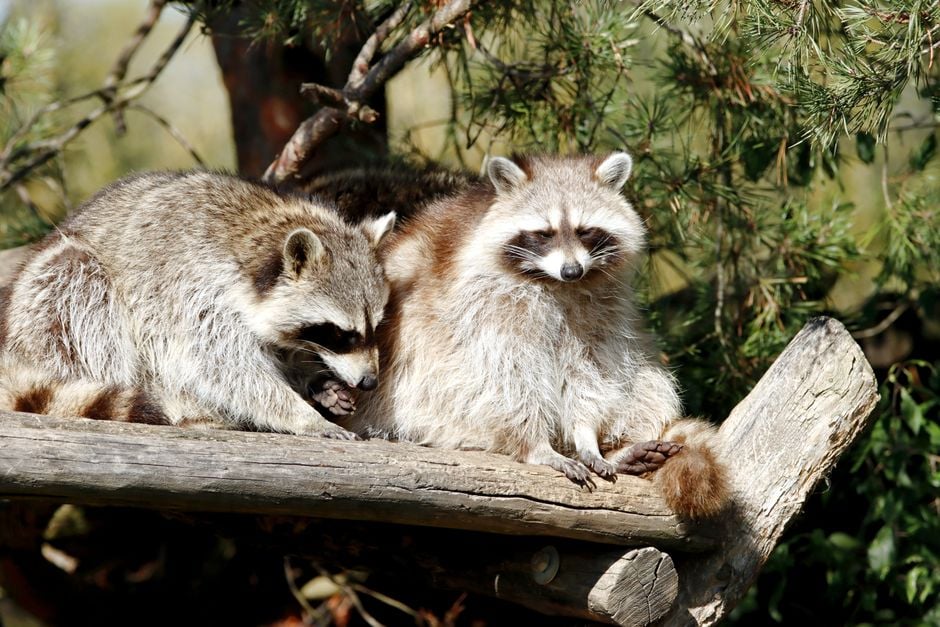
Raccoons are documented rabies vectors – one of the primary carriers of the virus in the eastern United States. Their presence near a home is a direct public health risk to children, adults, and pets. Raccoons are strong enough to tear through weak soffits and roof returns, and they are intelligent enough to return to the same access point repeatedly.
Virginia’s wildlife regulations under 4 VAC 15-30 specifically restrict raccoon relocation due to their rabies vector status – a detail that has major implications for how removal must be handled legally and safely.
Health Hazards Beyond the Bite
Rabies gets most of the attention, but it is far from the only health concern wildlife brings into a home.
Droppings, Urine, and Indoor Air Quality
Wildlife droppings and urine deposited in attics or crawl spaces create more than an unpleasant smell. Over time, accumulated waste degrades insulation, attracts insects, and releases particulates into the air that circulate through a home’s HVAC system. This type of contamination can reduce indoor air quality – a particular concern for households with children, elderly residents, or anyone with respiratory conditions.
Leptospirosis and Roundworm Risks to Humans and Pets
Raccoons, opossums, and skunks are known carriers of leptospirosis, Baylisascaris procyonis (raccoon roundworm), and distemper. Leptospirosis is a bacterial infection transmissible through urine-contaminated water or soil, posing risks to both humans and pets. Raccoon roundworm is especially dangerous – its microscopic eggs can survive in soil and fecal matter for years, and ingestion or inhalation can cause serious neurological damage in humans.
These are documented risks associated with wildlife that commonly den inside residential structures across the DMV region.
Why DIY Removal Usually Fails
The instinct to handle a wildlife problem independently is understandable. Hardware stores sell live traps, and online tutorials make it look simple. Experts from Connor’s Pest Pros explain that wildlife removal has a high DIY failure rate – and the reasons go beyond technique.
Trapping and Relocating Doesn’t Solve It
The Wildlife Center of Virginia is clear on this point: relocating an animal does not fix the problem. Another animal will simply move into the vacated territory. The attic that housed a raccoon family is still a warm, protected space with food nearby, and wildlife will find it again. Studies cited by wildlife conservation organizations also show that relocated animals frequently do not survive – moved away from their home range, they lose access to known food and water sources and may introduce disease to new areas. Exclusion, meaning physically closing off entry points, is the only approach that produces durable results.
Legal Risk to Unlicensed Homeowners
Beyond effectiveness, there is a legal dimension most homeowners do not anticipate. Unlicensed wildlife removal attempts can be illegal, dangerous, and counterproductive. Improper trapping methods, accidental injury to a protected species, or handling a rabies-vector animal without proper precautions can all carry consequences – both legal and physical. In Virginia, trapping animals and moving them off your property without a permit is explicitly prohibited.
Know the Laws
Wildlife removal is not governed by a single set of rules across the region. Each jurisdiction maintains its own licensing framework, and the differences matter.
Virginia’s VDWR Permit Requirement
Virginia’s Department of Wildlife Resources (VDWR), established under Code of Virginia § 29.1, holds primary jurisdiction over native wild animal species. Anyone performing paid wildlife removal must hold a valid Nuisance Wildlife Control Operator (NWCO) permit issued by VDWR. This credential determines which species may be trapped, how they must be handled, and what can legally be done with them afterward. Raccoons, due to their rabies vector status, face strict handling and relocation rules that unlicensed individuals cannot navigate legally.
What Professional Removal Actually Includes
A qualified wildlife removal service does not just show up with a trap. The process follows a structured sequence: inspection and species identification, exclusion planning, trapping or removal, and then resolution – whether relocation where legal, or humane euthanasia per permit conditions.
Exclusion: Sealing Entry Points for Good
Exclusion is the foundation of any effective wildlife management plan. This means physically sealing every entry point with materials rated for the task – minimum 16-gauge hardware cloth for squirrel exclusion, steel mesh around pipe penetrations, chimney caps, and reinforced door sweeps where animals have gained ground-level access.
Professional teams commonly remove raccoons from attics, following up with attic restoration and exclusion work to eliminate re-entry. Without that second phase, the problem repeats. Catching the animal is step one. Preventing another from taking its place is what protects the home long term.
Don’t Wait – Licensed Help Protects Your Home and Family
Wildlife problems rarely resolve on their own. An animal that finds a warm attic in October will still be there in February – and may have a litter by spring. Each week of delay adds waste contamination, potential wiring damage, and health exposure to the equation. The legal and biological complexity of handling rabies-vector species, federally protected bats, or nesting birds makes the case for licensed professional intervention straightforward: the risks of waiting, or of going it alone, are simply too high.
The right move is a call to a licensed operator who understands the regulations in your specific jurisdiction, can accurately identify the species and scale of the intrusion, and has the tools and credentials to resolve it fully – removal and exclusion together.
Connor’s Pest Pros
5410 Port Royal Rd
Springfield
VA
22151
United States


