
Japan’s agricultural, forestry, fishery, and food exports reached 897.7 billion yen, marking an increase of more than 10% year-on-year and setting a new record high for the same period. Green tea, yellowtail, and blended seasonings were the main products driving the growth.
TOKYO, JAPAN (MERXWIRE) – Global demand for Japanese food products continues to grow, pushing Japan’s agricultural, forestry, fishery and food exports to another record high. According to Japan’s Ministry of Agriculture, Forestry and Fisheries (MAFF), exports totaled 897.7 billion yen during the first half of 2026 (January–June), up 10.9% from the same period last year and marking the highest first-half total on record.
Major export destinations, including the United States, Hong Kong, Taiwan and China, all recorded year-on-year growth. Green tea, yellowtail (buri), beef, apples and Japanese seasonings were among the strongest-performing products, highlighting the continued global appeal of Japanese cuisine.
The United States remained Japan’s largest export market, with exports reaching 162.6 billion yen, an increase of 15.3% from a year earlier. Hong Kong ranked second with 110 billion yen, followed by China at 94 billion yen and Taiwan at 88.2 billion yen, representing a 9.5% increase. Other markets, including South Korea, Vietnam, Singapore and Australia, also posted double-digit growth, with Vietnam recording the fastest increase among major destinations at 35.4%.
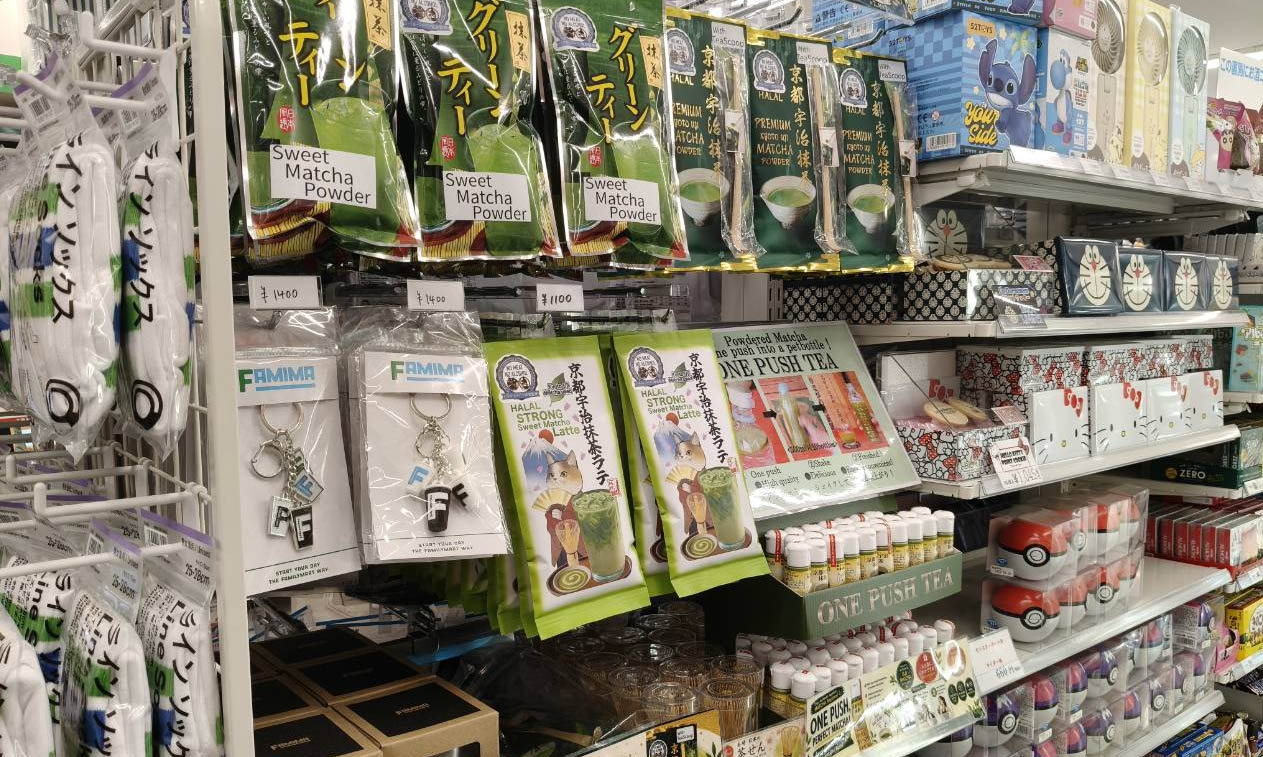
Among all export products, green tea recorded the largest increase in export value, rising 22 billion yen, or 83.5%, from a year earlier. Growing health awareness in Europe, the United States and ASEAN countries, together with rising global interest in Japanese cuisine, has significantly boosted demand for powdered tea products such as matcha, which are increasingly used in lattes, desserts and other food applications.
Yellowtail (buri) ranked second, with exports increasing 17.8 billion yen, up 69% year on year. Strong demand from North America and South Korea, combined with higher aquaculture feed costs and rising international prices driven by increasing global demand, contributed to the substantial growth.
Japanese seasonings ranked third, with export value increasing 5.1 billion yen. Growing popularity of Japanese cuisine in the United States and across Asia, together with the recovery of inbound tourism, has fueled overseas demand for salad dressings, mayonnaise and a wide variety of Japanese sauces and seasonings.
Exports of Japanese beef, apples and sake also continued to expand, reflecting the growing international influence of Japanese food culture.
MAFF attributed the strong export performance to rising global interest in Japanese cuisine, increasing recognition of Japanese food products through inbound tourism, growing health-conscious consumer trends, expanded distribution channels and successful development of new overseas markets.
Mr. Lin, a Japanese restaurant owner in Taipei, said Taiwanese consumers have become increasingly focused on food quality in recent years. “More customers are asking about Japanese tea, fruits and seasonings. Many people who try matcha at our restaurant want to know where they can buy the same products for home use,” he said.
Another frequent traveler to Japan, Ms. Chen, noted that she regularly purchases snacks, matcha products and seasonings during her trips. “Many Japanese products are now available in Taiwan, but I still prefer buying authentic products in Japan and often recommend them to friends and family,” she said.
Consumer Aesthetics and Cultural Tourism Society Japan noted that Japan’s food exports are increasingly evolving from simply exporting products to exporting culture. International visitors experience Japanese cuisine while traveling, discover products through social media and local dining experiences, and continue purchasing them after returning home through supermarkets, restaurants and e-commerce platforms.
The organization believes that strengthening international marketing efforts by emphasizing product origin, cultural storytelling and health benefits will further expand overseas demand for premium Japanese food products while enhancing the global competitiveness of Japan’s agricultural and food industries.
Media Contacts:
Consumer Aesthetics and Cultural Tourism Society Japan
PR Agency:
MERXWIRE INC.
Ada Huang
pr@merxwire.com
SOURCE: Consumer Aesthetics and Cultural Tourism Society Japan


